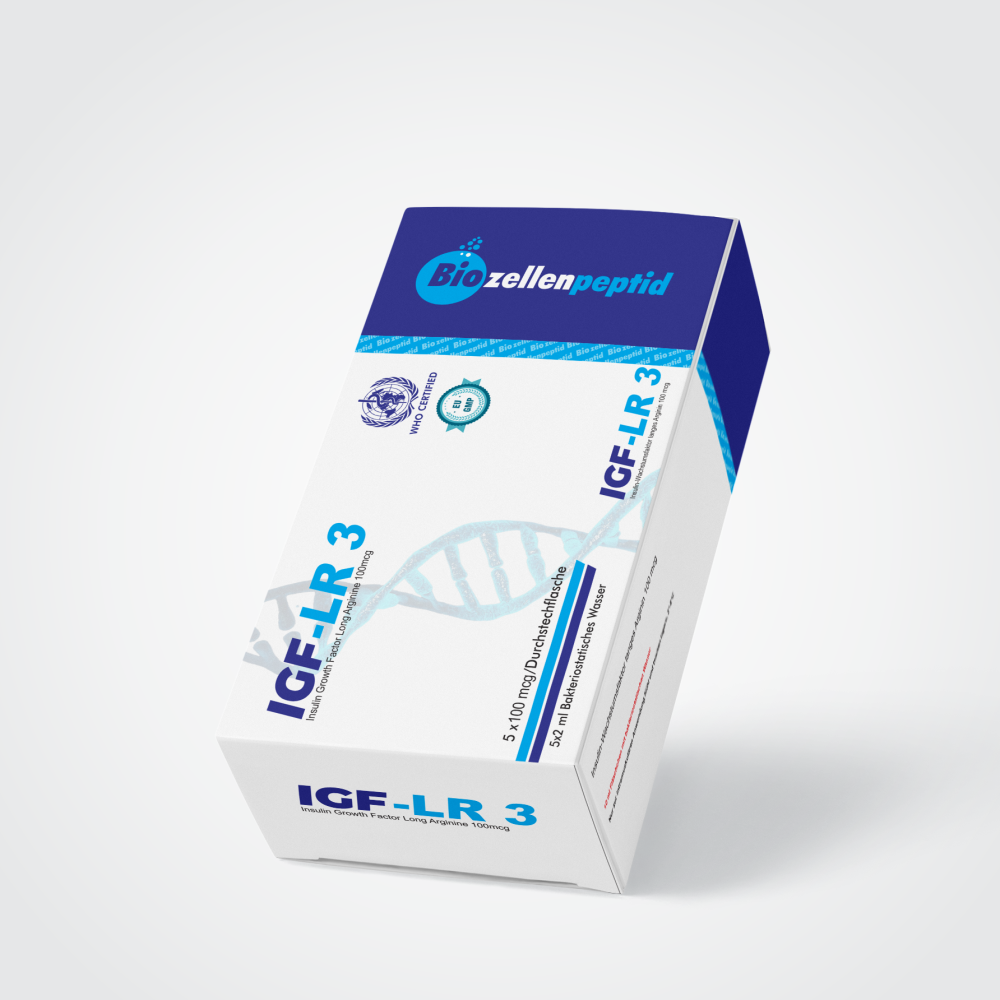
- This product is for pharmaceutical purpose and research.
- This product is to be used for hormonal disorder under the guidance of pediatrition and dermatologist.
Dosage: Initial: .5 mcg/kg/day. May increase dose gradually. Max: 5 mcg/kg/day. Maximum period for administration 45 days.
Administration: Intramuscular injection.
Warning: Please stirred properly do not shake. Monitor thyroid function; benign intracranial hypertension. DM; may require dose reduction in insulin. Pregnancy. Discontinue treatment if there is evidence of tumor growth. Monitoring in patients with scoliosis is recommended due to a risk of progression of scoliosis.
Storage: Store at room temperature away from heat and direct sunlight pre mixing. Refrigerate between 2-8’C post Mixing.
Contraindications: Acute critical illness due to heart or abdominal surgery, multiple accidental trauma or respiratory failure; active neoplasms, proliferative or pre-proliferative diabetic retinopathy; lactation; patients with closed epiphyses. Intracranial lesions. Patients with Prader-Willi syndrome who are severely obese or have a severe respiratory impairment.
About: IGF-1 LR3 (insulin-like growth factor-1 long arginine 3) is a synthetic, modified construct of insulin-like growth factor-1. Because IGF-1 LR3 does not bind to IGF-1 binding proteins very well, it remains active up to 120 times longer than standard IGF-1. This results in improved half-life for the peptide and thus increased activity. IGF-1 LR3 enhances cell division and growth, boosts fat metabolism, and increases muscle repair and hypertrophy by inhibiting myostatin. Recent research suggests that IGF-1 LR3 may also be useful in improving lactation among mothers with young offspring.
What is IGF-LR 3?
IGF1-LR3 is a modified version of insulin-like growth factor-1. The full name of the peptide is insulin-like growth factor-1 long arginine 3. All IGF-1 derivatives play prominent roles in cell division, cell proliferation, and cell-to-cell communication. Though it has similar effects, IGF-1 LR3 does not adhere to IGF binding proteins as strongly as IGF-1. This results in IGF1-LR3 remaining in the bloodstream 120 times longer than IGF-1. IGF1-LR3 gains its prolonged half-life as a result of its structural changes. The peptide is created by adding 13 amino acids to the N-terminal end of IGF-1 and by converting the glutamic acid at position 3 of IGF-1 to an arginine residue.
Reviews
There are no reviews yet.